

“What progress, you ask, have I made? I have begun to be a friend to myself.”
— Hecato of Rhodes

Substance Use and Recovery
At Sana, we understand the strength and courage required to make these changes. We, too, have been there, and we too practice daily behavioral maintenance and mindfulness.
The Link
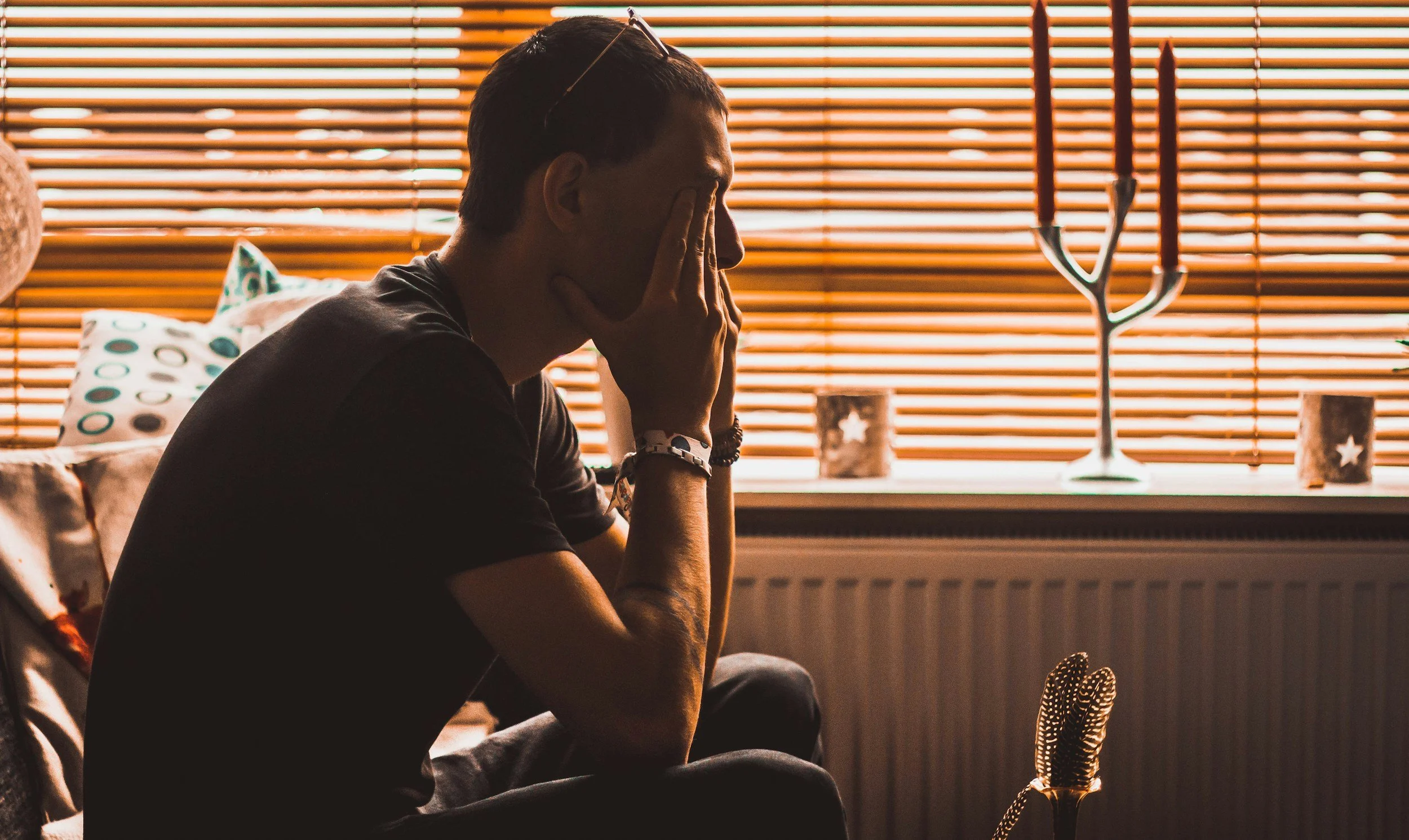
There is a strong correlation between substance use and trauma. Many people who develop a substance use disorder report a history of complex trauma. The majority experience trauma along the way because substance use disorders can put us in traumatic or dangerous situations.

The Suffering
You must be so tired.
We find ourselves saying this to many who come through our doors. We recognize and affirm that substance use disorders don’t indicate weak or immoral character.
When we use substances, our brains, often quickly, create a dependence on the change in chemistry. When the substance is removed, our systems go into a state of withdrawal that drives more use.

The Behaviors
While the brain is in overdrive to re-establish balance by continuing substance use, we can behave in ways that fuel use, maintain use, or create dangerous situations we never expected to find ourselves in. This can happen at any age, to anyone, regardless of our identity or circumstances.
We are not our behaviors, but we have the responsibility to change our behaviors to reduce the suffering of ourselves and those around us who are in pain from our substance use.